
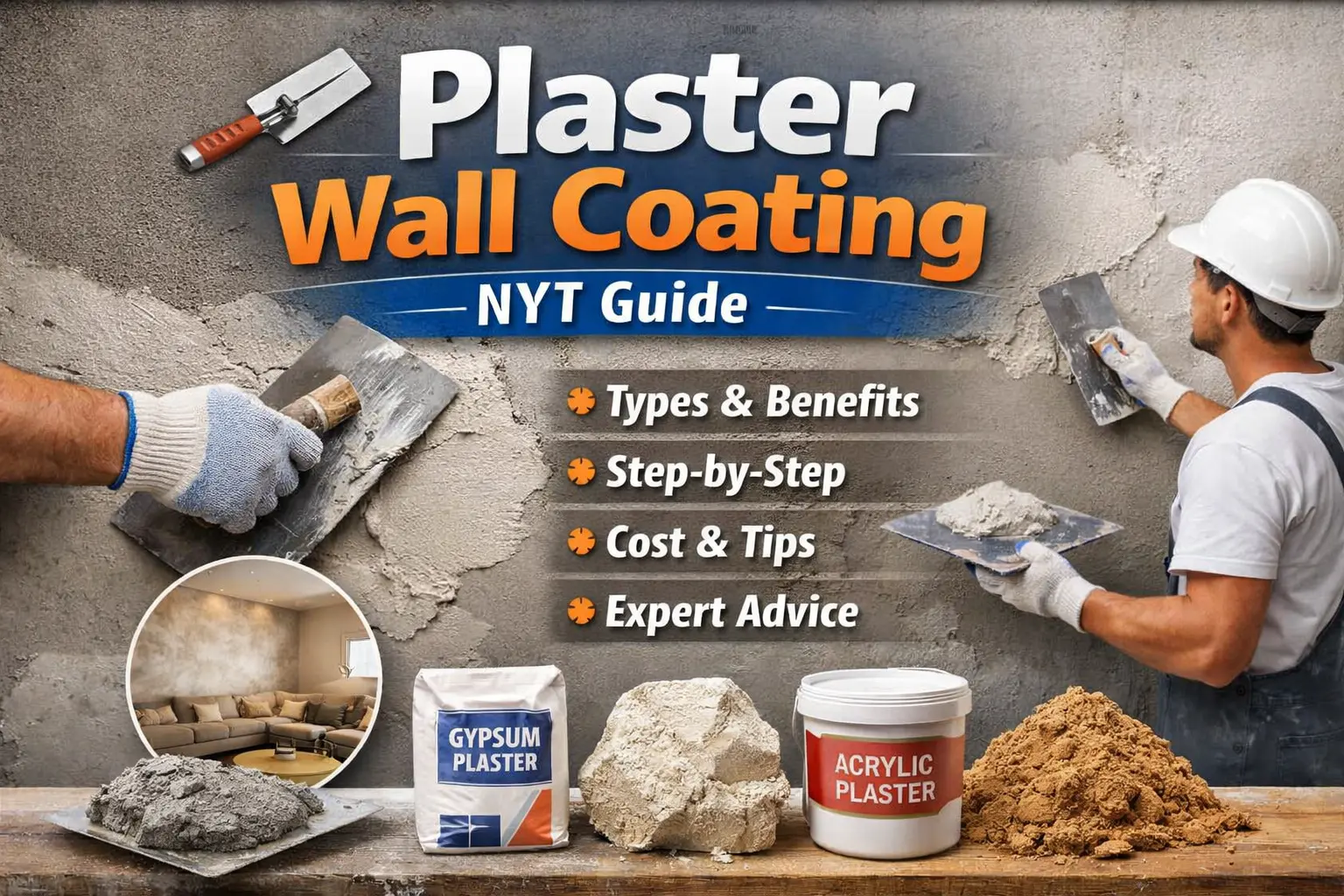

Plaster wall coating is one of the most essential yet often misunderstood elements of modern construction and interior finishing. Whether you’re renovating a home, finishing a commercial space, or simply trying to understand a term you encountered in a crossword like “plaster wall coating NYT,” this comprehensive guide will walk you through everything you need to know—from basics to advanced techniques.
This article is designed for beginners, homeowners, contractors, and professionals who want a deep, practical understanding of plaster wall coating, including types, applications, benefits, risks, and real-world usage.
What Is Plaster Wall Coating? (Quick Definition)
Plaster wall coating refers to a layer of plaster material applied over walls or ceilings to create a smooth, durable, and aesthetically pleasing surface.
Key Points:
-
Applied on brick, concrete, drywall, or block walls
-
Improves surface smoothness and appearance
-
Provides protection against moisture and wear
-
Serves as a base for paint or decorative finishes
Why Plaster Wall Coating Matters
Plaster is not just about looks—it plays a structural and protective role.
Core Benefits
1. Surface Protection
-
Shields walls from environmental damage
-
Reduces cracks and surface wear
2. Aesthetic Appeal
-
Creates a smooth, paint-ready finish
-
Supports decorative textures and designs
3. Durability
-
Stronger than simple paint or putty layers
-
Long-lasting with proper maintenance
4. Moisture Resistance
-
Certain plaster types prevent dampness
-
Essential in humid climates
5. Thermal and Acoustic Benefits
-
Adds insulation
-
Reduces sound transmission
Types of Plaster Wall Coating
Understanding the different types is crucial for choosing the right one.
1. Cement Plaster
Best For:
-
Exterior walls
-
Wet areas (bathrooms, kitchens)
Features:
-
Strong and durable
-
Resistant to moisture
-
Slightly rough finish
2. Gypsum Plaster
Best For:
-
Interior walls and ceilings
Features:
-
Smooth finish
-
Quick drying
-
No curing required
3. Lime Plaster
Best For:
-
Traditional and heritage buildings
Features:
-
Flexible and breathable
-
Eco-friendly
-
Prevents mold growth
4. Acrylic Plaster
Best For:
-
Decorative finishes
Features:
-
Crack-resistant
-
Weatherproof
-
Available in textures
5. Clay Plaster
Best For:
-
Eco-conscious construction
Features:
-
Natural and non-toxic
-
Regulates humidity
-
Unique earthy look
Comparison Table: Plaster Types
| Type | Durability | Finish Quality | Cost | Best Use |
|---|---|---|---|---|
| Cement Plaster | High | Medium | Low | Exterior, wet areas |
| Gypsum Plaster | Medium | High | Medium | Interior walls |
| Lime Plaster | Medium | Medium | Medium | Heritage projects |
| Acrylic Plaster | High | High | High | Decorative finishes |
| Clay Plaster | Medium | Unique | Medium | Eco homes |
How Plaster Wall Coating Works (Step-by-Step)
Step 1: Surface Preparation
-
Clean the wall
-
Remove dust, grease, and loose particles
-
Apply bonding agent if needed
Step 2: Mixing the Plaster
-
Follow manufacturer ratios
-
Ensure lump-free consistency
Step 3: Application
-
Apply base coat evenly
-
Use trowel or spray machine
Step 4: Leveling and Smoothing
-
Smooth with float or blade
-
Fill gaps and imperfections
Step 5: Curing (if required)
-
Cement plaster needs water curing
-
Gypsum does not
Step 6: Finishing
-
Sanding for smoothness
-
Ready for paint or polish
Tools Required for Plaster Wall Coating
Essential Tools:
-
Trowel
-
Hawk board
-
Float
-
Mixing bucket
-
Plastering machine (optional)
-
Leveling ruler
Real-World Use Cases
Residential Homes
-
Smooth walls for painting
-
Moisture-resistant bathroom coatings
Commercial Buildings
-
Durable coatings for high-traffic areas
-
Fire-resistant gypsum layers
Renovation Projects
-
Covering cracks and uneven surfaces
-
Upgrading old wall finishes
Common Problems and Solutions
1. Cracking
Causes:
-
Improper mixing
-
Rapid drying
Solution:
-
Use correct ratios
-
Apply curing
2. Peeling
Causes:
-
Poor surface preparation
Solution:
-
Clean and prime surface properly
3. Uneven Finish
Causes:
-
Inconsistent application
Solution:
-
Use leveling tools and skilled labor
Plaster Wall Coating vs Paint vs Putty
Key Differences
| Feature | Plaster Coating | Putty | Paint |
|---|---|---|---|
| Purpose | Surface creation | Surface smoothing | Decoration |
| Thickness | Thick layer | Thin layer | Very thin |
| Durability | High | Medium | Low |
| Application | Base layer | Pre-paint layer | Final layer |
Cost of Plaster Wall Coating
Factors Affecting Cost
-
Material type
-
Labor charges
-
Wall condition
-
Project size
Estimated Cost Range
-
Cement plaster: Low cost
-
Gypsum plaster: Medium cost
-
Acrylic finishes: Premium cost
Expert Tips for Best Results
1. Choose the Right Type
Match plaster with environment (e.g., cement for exterior).
2. Hire Skilled Labor
Application quality directly impacts durability.
3. Don’t Skip Surface Prep
This is where most failures happen.
4. Control Drying Time
Avoid rapid drying to prevent cracks.
5. Use Quality Materials
Cheap plaster leads to long-term issues.
Advanced Techniques in Plaster Coating
1. Venetian Plaster
-
High-end polished finish
-
Marble-like appearance
2. Textured Plaster
-
Adds depth and character
-
Popular in modern interiors
3. Spray Plastering
-
Faster application
-
Uniform finish
Environmental Impact and Sustainability
-
Lime and clay plasters are eco-friendly
-
Lower VOC emissions
-
Better indoor air quality
Maintenance of Plastered Walls
Regular Maintenance:
-
Clean with soft cloth
-
Avoid excessive moisture
Long-Term Care:
-
Repaint every few years
-
Repair cracks early
FAQs (People Also Ask)
What is plaster wall coating used for?
Plaster wall coating is used to create a smooth, durable surface on walls and ceilings, preparing them for painting or decorative finishes.
Which plaster is best for walls?
Gypsum plaster is best for interior walls due to its smooth finish, while cement plaster is ideal for exterior and wet areas.
How long does plaster coating last?
With proper application and maintenance, plaster coating can last 20–50 years.
Is plaster better than drywall?
Plaster is more durable and offers better finish quality, but drywall is faster and cheaper to install.
Can plaster be applied over old walls?
Yes, but proper surface preparation is essential to ensure adhesion and longevity.
Conclusion: Is Plaster Wall Coating Worth It?
Plaster wall coating is not just a finishing step—it’s the foundation of a strong, beautiful, and long-lasting wall system. From improving durability to enhancing aesthetics, the right plaster choice can significantly impact the quality of your space.
Key Takeaways:
-
Choose plaster based on environment and purpose
-
Proper application is more important than material alone
-
Invest in skilled labor and quality materials
-
Maintain regularly to extend lifespan
Whether you’re a homeowner upgrading your interiors or a professional seeking reliable finishing solutions, mastering plaster wall coating will give you a serious edge in both performance and design.