










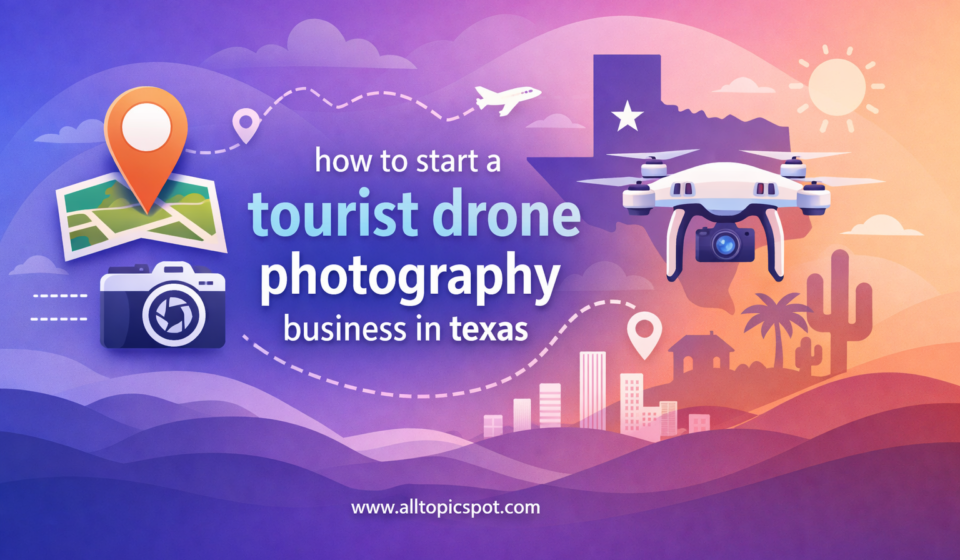

Start a Tourist Drone Photography Business in Texas.
Introduction
Drone photography has evolved from a niche hobby into a booming business opportunity, especially in tourism. From the rolling hills of the Texas Hill Country to the urban skyline of Houston, drones provide breathtaking aerial perspectives that traditional photography cannot match.
For aspiring entrepreneurs, starting a tourist drone photography business in Texas offers a perfect blend of technology, creativity, and business potential. This guide covers everything from FAA regulations and equipment choices to marketing strategies and revenue models. By the end, even beginners will feel confident in launching and growing a profitable drone business.
Understanding Tourist Drone Photography
Tourist drone photography involves capturing aerial images and videos of landmarks, tourist attractions, and scenic destinations for commercial use.
Benefits of Tourist Drone Photography
-
Unique perspectives: Highlight tourist spots from angles not visible on the ground.
-
Higher engagement: Aerial videos increase social media shares, website visits, and bookings.
-
Premium pricing: Commercial clients pay more for high-quality drone footage.
-
Flexibility: Opportunities exist in events, tourism boards, real estate, and content creation.
Tourist drone photography is ideal for visual storytelling, allowing travelers to explore destinations virtually before visiting, which is increasingly valuable in the post-pandemic tourism industry.
Why Texas is Ideal for Drone Photography
Texas stands out as a prime location for drone entrepreneurs due to its variety of landscapes, thriving tourism sector, and business-friendly regulations.
Key Opportunities in Texas
-
Diverse landscapes: Capture deserts, rivers, lakes, urban skylines, and forests.
-
High tourist traffic: Cities like San Antonio, Austin, Dallas, and Houston attract millions of visitors each year.
-
Tourism campaigns: State and city tourism boards invest in high-quality aerial media for promotions.
-
Flexible business environment: Texas has lower business taxes, making it easier for startups.
Pro Tip: Focus on niche locations, like wineries in Hill Country, historic missions in San Antonio, or natural parks like Big Bend, to differentiate your service.
Legal Requirements & Permits
Compliance with federal, state, and local regulations is critical for operating a drone business legally.
FAA Regulations
All commercial drone operators in the U.S. must follow Part 107 rules:
-
Obtain a Remote Pilot Certificate.
-
Fly below 400 feet above ground level.
-
Maintain line-of-sight with your drone.
-
Avoid restricted areas like airports or military zones.
-
Conduct pre-flight safety checks.
Violating FAA regulations can lead to fines of $1,100–$27,500 depending on severity.
Texas State Laws
-
Respect privacy laws: Do not capture private property without consent.
-
Follow wildlife protection rules, especially in state parks.
-
Avoid flying over government buildings without permission.
Local City Ordinances
-
Austin: Drones restricted in downtown areas and public parks.
-
Houston & Dallas: Certain areas have municipal flight restrictions.
Special Permits & Waivers
-
FAA waivers allow night flying, flying over people, or operations beyond visual line-of-sight (BVLOS).
-
Some Texas state parks issue filming permits for commercial use.
Tip: Keep a legal checklist to avoid fines and maintain professionalism with clients.
Essential Equipment for Your Drone Business
Best Drones for Tourism Photography
| Drone Model | Features | Price Range |
|---|---|---|
| DJI Mavic 3 | 5.1K video, Hasselblad camera | $2,200+ |
| DJI Air 3 | Dual cameras, lightweight | $1,200+ |
| Autel EVO Lite+ | Low-light optimized, compact | $1,000+ |
Cameras, Gimbals, and Accessories
-
Gimbals: Stabilize footage for cinematic quality.
-
ND Filters: Control lighting in bright conditions.
-
Extra Batteries: Essential for day-long shoots.
-
Carrying Cases: Protect expensive equipment during travel.
Drone Maintenance & Safety Gear
-
Clean propellers and sensors regularly.
-
Carry spare parts and repair kits.
-
Use high-visibility vests when flying in crowded areas.
Building Your Skills and Portfolio
Skill development is key to differentiating your business.
Drone Flying Skills
-
Practice in open spaces before urban flights.
-
Learn obstacle avoidance, altitude control, and smooth movement.
Aerial Photography Techniques
-
Use rule-of-thirds for framing.
-
Experiment with golden hour lighting for dramatic shots.
-
Capture both wide landscapes and close-up aerial details.
Building a Portfolio & Client Testimonials
-
Offer free shoots initially to gather testimonials.
-
Include diverse locations and scenarios.
-
Create a professional website showcasing videos and images.
Pro Tip: High-quality drone footage often sells more than static images in tourism marketing.
Business Setup & Financial Planning
Choosing a Business Structure
-
Sole Proprietorship: Easy setup, but personal liability.
-
LLC: Protects personal assets, professional image.
-
Corporation: Suitable for scaling with multiple investors.
Startup Costs & Pricing Models
| Expense | Estimated Cost |
|---|---|
| Drone & equipment | $1,500–$5,000 |
| Insurance | $500–$1,200/year |
| Licensing & permits | $150–$500 |
| Marketing | $300–$1,000/month |
Pricing Models:
-
Hourly: $100–$300/hr
-
Per Project: $500–$5,000 depending on scope
-
Packages: For tourism boards or hotels
Tax Considerations & Accounting Tips
-
Keep receipts for equipment purchases; they are deductible.
-
Consult a CPA for business taxes.
-
Track revenue streams: direct clients, stock footage, events.
Marketing Your Drone Photography Business
Website & SEO Optimization
-
Use focus keyword: “tourist drone photography Texas.”
-
Include location-based landing pages for cities like Austin, San Antonio, and Dallas.
-
Add galleries, client testimonials, and an online booking form.
Social Media & Content Marketing
-
Instagram & TikTok: Short aerial videos attract tourists.
-
YouTube: Create scenic aerial tours with narration.
-
LinkedIn: Market to hotels, resorts, and event organizers.
Partnerships & Networking
-
Partner with tourism boards for content campaigns.
-
Collaborate with wedding planners, hotels, and travel agencies.
-
Attend drone and travel expos to grow connections.
Insurance & Risk Management
Liability Insurance
Covers accidents, property damage, or injury to third parties.
Equipment Insurance
Protects against drone loss, theft, or damage.
Risk Mitigation Strategies
-
Avoid flying in high winds or crowded areas.
-
Conduct regular safety checks.
-
Keep emergency contacts and first aid kits on site.
Revenue Opportunities & Business Growth
Event Photography & Tours
-
Weddings, festivals, and concerts offer high-paying opportunities.
-
Guided drone tours in scenic areas attract tourists.
Stock Footage Sales
-
Sell aerial videos to websites, ad agencies, and media companies.
Collaborations with Travel Agencies
-
Supply aerial content for brochures, social media, and ads.
Pro Tip: Diversify income streams to maintain steady revenue year-round.
Real-World Examples & Success Stories
-
Austin Drone Co.: Grew from hobbyist to servicing over 50 hotels and Airbnb hosts in 3 years.
-
Big Bend Aerial Tours: Offers customized aerial tours and earns $100K+ annually.
-
Dallas Skyline Drones: Focused on urban aerial photography for commercial clients, building long-term contracts.
Step-by-Step Guide to Getting Your FAA Part 107 Certification
-
Meet Eligibility Requirements: Be at least 16, English proficiency.
-
Study the FAA Part 107 Materials: Covers airspace, weather, and regulations.
-
Take the Aeronautical Knowledge Test: Usually at a testing center; $175 fee.
-
Apply for Remote Pilot Certificate: Submit FAA form and background check.
-
Renew Every 24 Months: Pass a recurrent knowledge test to maintain certification.
FAQs About Starting a Drone Photography Business in Texas
Q1: Do I need a license to fly drones commercially in Texas?
A1: Yes, obtain the FAA Part 107 Remote Pilot Certificate.
Q2: Can I fly drones over national parks in Texas?
A2: No, drones are prohibited without special FAA permits.
Q3: How much can I charge for tourist drone photography services?
A3: Rates range from $100/hr to $5,000 per project.
Q4: What insurance do I need?
A4: Liability insurance for accidents and equipment insurance for drone coverage.
Q5: Are there city-specific restrictions in Texas?
A5: Yes, cities like Austin, Dallas, and Houston have local ordinances; always check before flying.
Conclusion & Actionable Takeaways
Starting a tourist drone photography business in Texas is both exciting and profitable. Follow these steps for success:
-
Obtain FAA Part 107 certification and check state/local permits.
-
Invest in professional drones, cameras, and accessories.
-
Build a strong portfolio and client testimonials.
-
Develop a clear business plan, pricing strategy, and financial tracking system.
-
Market strategically using SEO, social media, and tourism partnerships.
-
Protect your business with proper insurance and risk management.
By combining technical expertise, business planning, and creative storytelling, your drone business can dominate the Texas tourism industry and create sustainable income.