












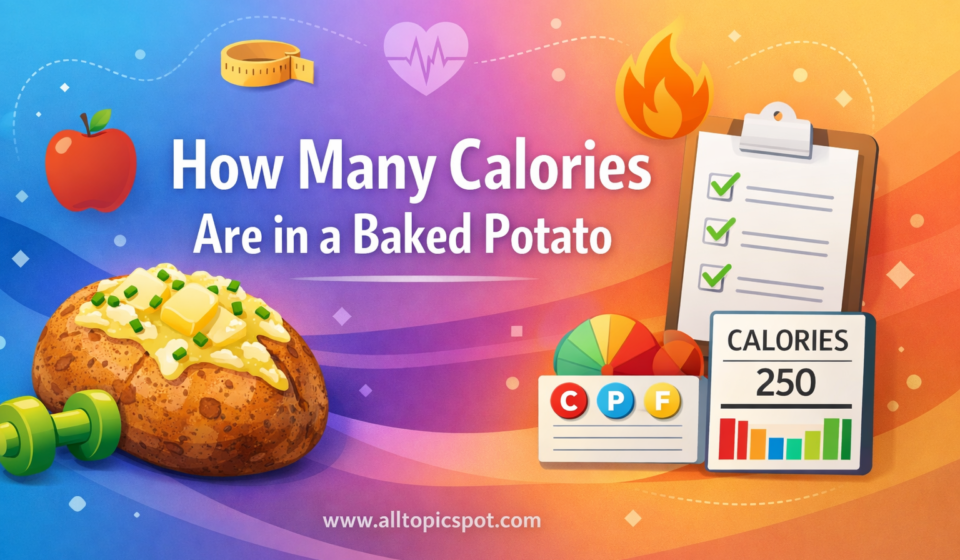

How Many Calories Are in a Baked Potato? Complete Guide
Introduction
Baked potatoes are a beloved staple worldwide, whether as a side dish, comfort food, or part of a healthy meal plan. But for many, a common question arises: “How many calories are in a baked potato?” Understanding the calorie content is essential for weight management, nutrition planning, and overall health.
In this guide, we’ll explore everything you need to know—from basic calorie counts to advanced nutritional insights. Whether you’re a beginner, a fitness enthusiast, or a professional nutritionist, this article will give you the full picture.
What Is a Baked Potato?
A baked potato is a potato cooked in an oven until the flesh is soft and the skin becomes crispy. The cooking method preserves nutrients better than frying, making it a healthier choice. Common potato varieties for baking include:
-
Russet potatoes – large, starchy, ideal for baking
-
Yukon Gold – buttery flavor, medium starch
-
Red potatoes – smaller, waxy, less starchy
Tip: The type of potato affects both texture and nutritional content.
How Many Calories Are in a Baked Potato?
The calorie content of a baked potato depends on its size and variety. Here’s a breakdown:
| Potato Size | Weight (g) | Calories | Carbs (g) | Protein (g) | Fat (g) |
|---|---|---|---|---|---|
| Small | 130 | 110 | 26 | 3 | 0 |
| Medium | 150 | 130 | 30 | 3 | 0 |
| Large | 300 | 280 | 63 | 7 | 0 |
| Extra-Large | 400 | 370 | 84 | 9 | 0 |
Note: These values are for plain baked potatoes without toppings like butter, cheese, or sour cream. Adding toppings can significantly increase calories.
Nutritional Composition of a Baked Potato
Besides calories, baked potatoes offer a rich nutrient profile:
Macronutrients
-
Carbohydrates: Potatoes are primarily carbs, which provide energy.
-
Protein: Moderate protein content, useful for muscle repair.
-
Fat: Naturally low in fat, unless toppings are added.
Micronutrients
-
Vitamin C: Supports immunity and skin health.
-
Potassium: Helps regulate blood pressure and fluid balance.
-
Vitamin B6: Essential for brain function and metabolism.
-
Fiber: Mostly in the skin; promotes digestive health.
Phytonutrients
-
Antioxidants: Include flavonoids and carotenoids that combat oxidative stress.
Pro Tip: Eating the potato skin increases fiber intake and micronutrients.
Factors Affecting Calories in a Baked Potato
Several factors influence the final calorie count:
-
Potato size and type – Larger potatoes = more calories.
-
Cooking method – Baked vs. microwaved vs. boiled.
-
Toppings and fillings – Butter, cheese, sour cream, and bacon can double or triple calories.
-
Preparation style – Oil-brushed potatoes are higher in fat.
Example: A medium russet potato (150 g) with 1 tbsp butter adds ~100 calories, bringing the total to ~230 calories.
Health Benefits of Baked Potatoes
Energy Boost
High in carbohydrates, baked potatoes are excellent for fueling workouts or long workdays.
Weight Management
Despite being calorie-dense, baked potatoes are filling due to their fiber content, which may reduce overall calorie intake.
Heart Health
Potassium and low sodium content help regulate blood pressure and support cardiovascular health.
Digestive Health
The fiber in baked potato skin promotes gut health and regularity.
Gluten-Free & Versatile
Potatoes are naturally gluten-free, making them ideal for people with cel

![Create a high-quality modern featured image for a blog post about [PASTE TOPIC HERE]. Design should be clean, professional, and SEO-blog style. Use a modern tech look with soft gradients, minimal icons related to the topic, and readable typography. Text on image (center) [ ] Footer text (bottom center, small but clear) www.alltopicspot.com Style modern, minimal, professional, 169 wide banner Resolution 1920x1080, sharp, high contrast, no blur, no watermark, no extra logos. be furious nyt crossword](https://alltopicspot.com/wp-content/uploads/2026/03/be-furious-nyt-crossword-150x150.png "How Many Calories Are in a Baked Potato? Complete Guide")