




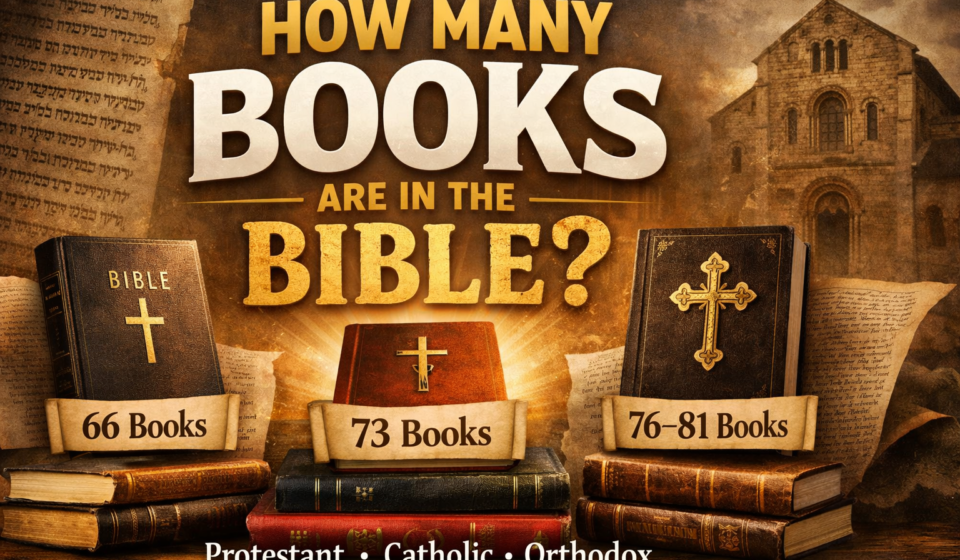

How Many Books Are in the Bible?
If you’ve ever asked, “how many books are in the Bible?”, the answer might surprise you.
It depends.
The number of books in the Bible varies by Christian tradition. While many people assume there is one definitive number, different branches of Christianity recognize slightly different collections of sacred texts.
Here’s the quick answer:
-
Protestant Bible: 66 books
-
Catholic Bible: 73 books
-
Eastern Orthodox Bible: 76–81 books (depending on tradition)
In this comprehensive guide, we’ll explore:
-
Why the number differs
-
What counts as a “book” in the Bible
-
Old Testament vs. New Testament breakdown
-
Historical reasons for variation
-
Apocrypha and Deuterocanonical books
-
Frequently asked questions
-
Comparison tables
-
Expert insights
By the end, you’ll understand not just the number — but the history, theology, and structure behind it.
What Is the Bible, Exactly?
The Bible is a collection of sacred writings considered inspired by God in Christianity. It is divided into two major sections:
-
Old Testament – Sacred texts before Jesus Christ
-
New Testament – Texts centered on Jesus and early Christianity
The word Bible comes from the Greek word “biblia”, meaning “books.” That’s important — the Bible is not one book but a library of books written over approximately 1,500 years by multiple authors.
How Many Books Are in the Protestant Bible?
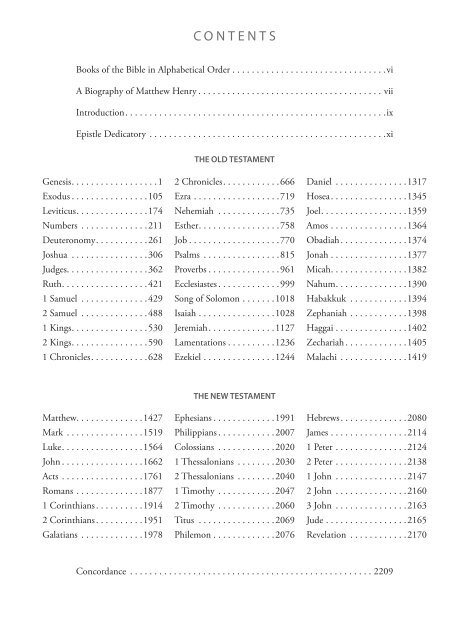
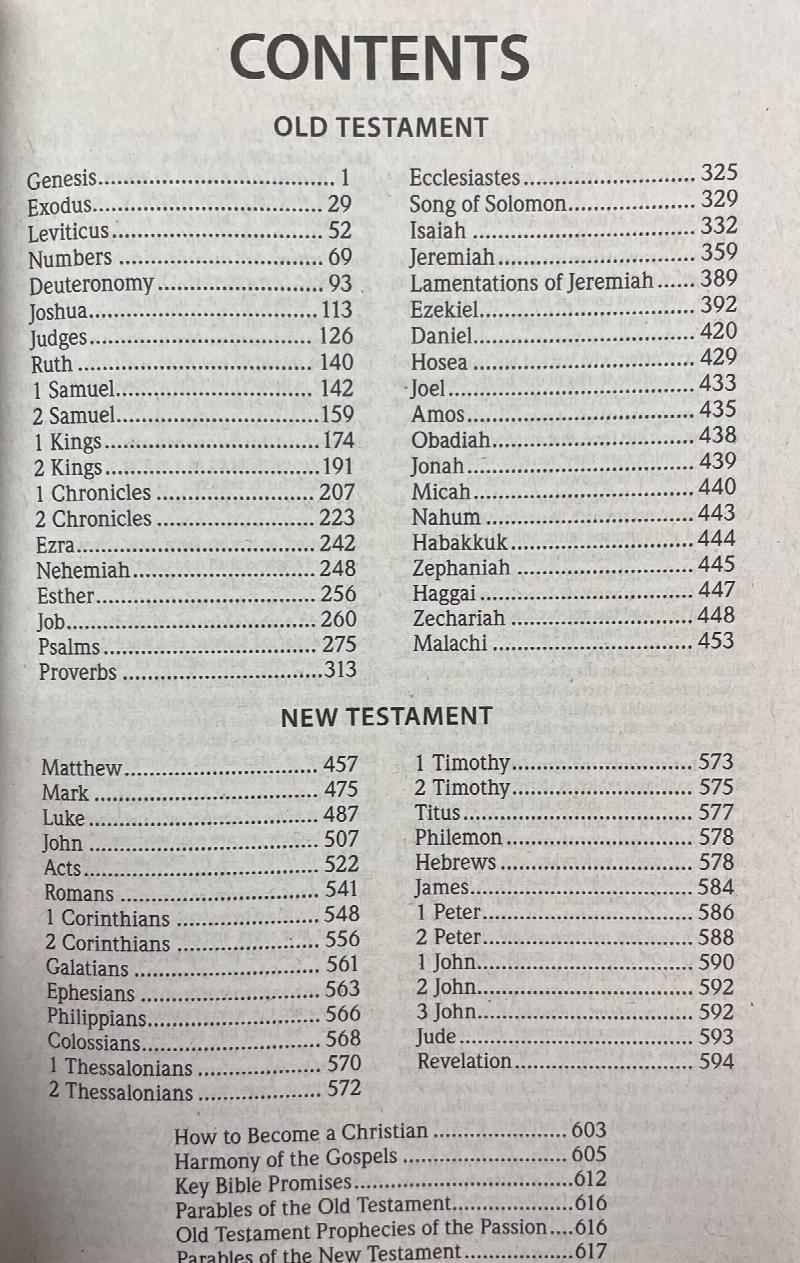

The Protestant Bible contains 66 books.
Breakdown:
| Section | Number of Books |
|---|---|
| Old Testament | 39 |
| New Testament | 27 |
| Total | 66 |
This is the most commonly cited answer in English-speaking countries, especially among Evangelical and Protestant churches.
The 39 Books of the Old Testament (Protestant)
The Old Testament includes:
Law (Pentateuch) – 5 Books
-
Genesis
-
Exodus
-
Leviticus
-
Numbers
-
Deuteronomy
Historical Books – 12 Books
-
Joshua
-
Judges
-
Ruth
-
1 & 2 Samuel
-
1 & 2 Kings
-
1 & 2 Chronicles
-
Ezra
-
Nehemiah
-
Esther
Wisdom Literature – 5 Books
-
Job
-
Psalms
-
Proverbs
-
Ecclesiastes
-
Song of Solomon
Major Prophets – 5 Books
-
Isaiah
-
Jeremiah
-
Lamentations
-
Ezekiel
-
Daniel
Minor Prophets – 12 Books
-
Hosea through Malachi
The 27 Books of the New Testament
All major Christian traditions agree on the 27 books of the New Testament.
They include:
Gospels – 4
-
Matthew
-
Mark
-
Luke
-
John
History – 1
-
Acts
Letters (Epistles) – 21
-
Romans through Jude
Prophecy – 1
-
Revelation
No mainstream Christian tradition disputes this number.
How Many Books Are in the Catholic Bible?

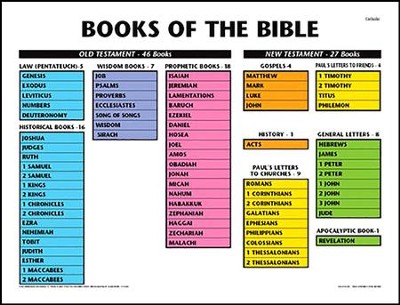
The Catholic Bible contains 73 books.
Breakdown:
| Section | Number of Books |
|---|---|
| Old Testament | 46 |
| New Testament | 27 |
| Total | 73 |
The difference lies in the Old Testament.
Why Does the Catholic Bible Have 7 More Books?
The Catholic Church includes additional books known as the Deuterocanonical books (often called the Apocrypha by Protestants).
These include:
-
Tobit
-
Judith
-
Wisdom
-
Sirach (Ecclesiasticus)
-
Baruch
-
1 Maccabees
-
2 Maccabees
Additional sections are also included in:
-
Esther
-
Daniel
These texts were part of the Greek Septuagint, a translation of Hebrew Scriptures widely used in early Christianity.
How Many Books Are in the Eastern Orthodox Bible?


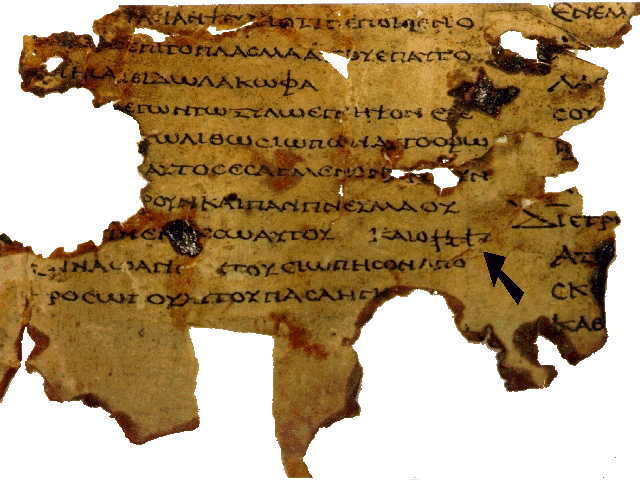
The Eastern Orthodox Bible contains 76 to 81 books, depending on jurisdiction.
It includes:
-
All Catholic Deuterocanonical books
-
Additional texts such as:
-
3 Maccabees
-
Psalm 151
-
Prayer of Manasseh
-
The Orthodox Church relies heavily on the Septuagint, which explains the broader canon.
Why Do the Numbers Differ?
The variation in how many books are in the Bible comes down to canon formation.
What Is a Canon?
A canon is an official list of sacred books recognized as authoritative.
Early Christians debated:
-
Which Jewish Scriptures to include
-
Whether Greek texts counted
-
Which early Christian writings were inspired
Key Historical Moments:
-
Jewish canon solidified around 90 AD
-
Early Christian councils (e.g., 4th century) listed accepted books
-
The Protestant Reformation (16th century) removed the Deuterocanonical books from the Old Testament canon
During the Reformation, leaders like Martin Luther preferred the Hebrew Bible’s shorter canon.
Quick Comparison Table
| Tradition | Old Testament | New Testament | Total Books |
|---|---|---|---|
| Protestant | 39 | 27 | 66 |
| Catholic | 46 | 27 | 73 |
| Eastern Orthodox | 49–54 | 27 | 76–81 |
Featured Snippet: How Many Books Are in the Bible?
Answer:
The Bible contains 66 books in the Protestant tradition, 73 books in the Catholic tradition, and 76–81 books in the Eastern Orthodox tradition. All traditions agree on 27 New Testament books but differ in the Old Testament canon.
What About the Hebrew Bible?
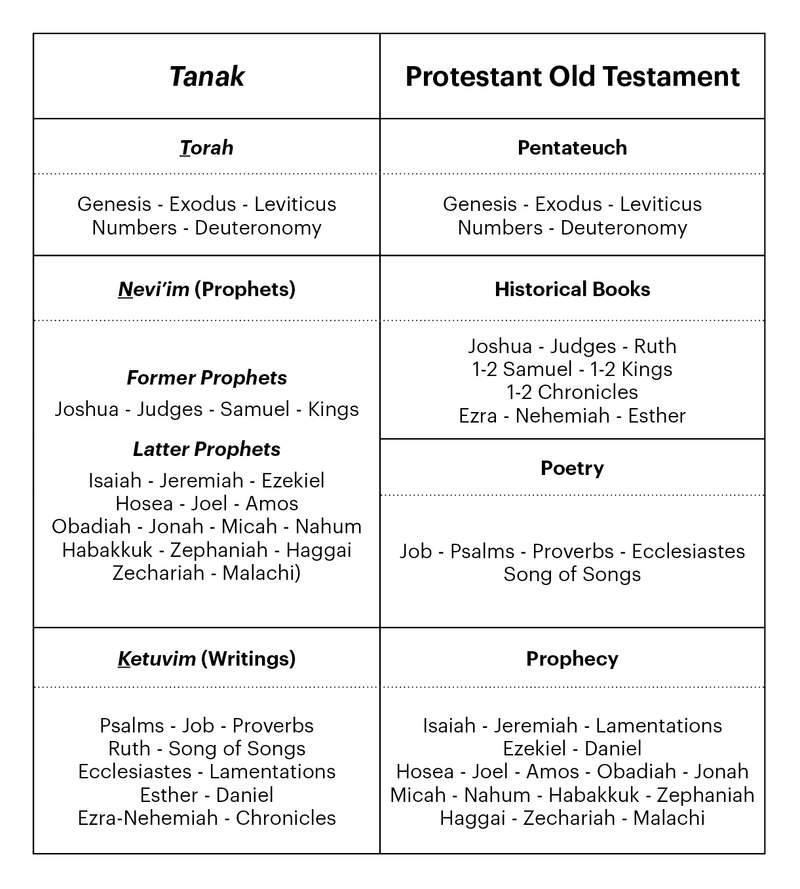
The Hebrew Bible (Tanakh) contains 24 books.
However, this is not fewer texts — they are grouped differently.
For example:
-
1 & 2 Samuel = one book
-
1 & 2 Kings = one book
-
The Minor Prophets = one book
When separated, they equal the 39 Protestant Old Testament books.
Why This Matters
Understanding how many books are in the Bible matters because:
-
It affects theology and doctrine
-
It shapes denominational differences
-
It influences Bible translations
-
It clarifies historical debates
For beginners, this knowledge builds confidence when discussing faith traditions.
For scholars and professionals, canon studies are foundational in theology and biblical research.
Common Myths About the Number of Books in the Bible
Myth 1: There Is Only One Bible
Reality: Multiple traditions exist.
Myth 2: Extra Books Were “Added Later”
Reality: The Deuterocanonical books were part of early Christian usage.
Myth 3: All Christians Agree on the Old Testament
Reality: They agree on the New Testament but not fully on the Old.
FAQs (People Also Ask)
How many books are in the Bible in total?
It depends on the tradition:
-
66 (Protestant)
-
73 (Catholic)
-
76–81 (Orthodox)
Why do Protestants have 66 books?
During the Reformation, Protestant leaders aligned the Old Testament with the Hebrew Jewish canon, excluding the Deuterocanonical books.
How many books are in the King James Bible?
The original 1611 King James Version included the Apocrypha. Modern Protestant editions contain 66 books.
Are the extra Catholic books considered inspired?
Yes, Catholics regard them as inspired Scripture.
Did Jesus use the 66-book Bible?
Jesus and early Christians primarily used the Septuagint, which included additional texts.
Internal Linking Suggestions
If you manage a faith-based website, consider linking internally to:
-
“What Is the Old Testament?”
-
“History of the Bible Canon”
-
“Difference Between Catholic and Protestant Bible”
-
“What Is the Apocrypha?”
External Authority References
For further scholarly research:
-
Catholic Encyclopedia
-
Orthodox Study Bible Introduction
-
Jewish Encyclopedia (Tanakh Canon Formation)
-
Academic biblical canon research from theological seminaries
Beginner to Advanced: Understanding Canon Development
Beginner Level
The Bible has different numbers of books depending on the Christian tradition.
Intermediate Level
Differences stem from whether the Greek Septuagint or Hebrew Masoretic Text was used as the Old Testament base.
Advanced Level
Canon formation reflects early church authority, linguistic transmission, and doctrinal development influenced by 2nd–4th century ecclesiastical decisions.
Real-World Example
If you purchase a Bible in:
-
A Protestant bookstore → 66 books
-
A Catholic parish → 73 books
-
An Orthodox church → possibly 76+ books
Always check the table of contents.
Conclusion: The Final Answer
So, how many books are in the Bible?
There is no single universal number.
-
66 books in the Protestant Bible
-
73 books in the Catholic Bible
-
76–81 books in the Eastern Orthodox Bible
The New Testament always contains 27 books. Differences occur only in the Old Testament.
Understanding these distinctions helps you read, study, and discuss the Bible with clarity and confidence.
Actionable Takeaways
✔ Check your Bible’s table of contents
✔ Understand your tradition’s canon
✔ Study the history behind the differences
✔ Read across traditions for broader perspective
✔ Approach canon discussions with respect and historical awareness
Whether you’re a beginner exploring faith or a professional studying theology, knowing how many books are in the Bible opens the door to deeper biblical literacy.