













Can Type 1 Diabetics Give Blood? Eligibility, Risks & Expert Guide
Can Type 1 Diabetics Give Blood?
If you’re living with Type 1 diabetes and wondering, “Can type 1 diabetics give blood?” — you’re not alone.
Many people with diabetes want to donate blood to help others, but they’re unsure whether insulin use or blood sugar fluctuations make them ineligible.
The short answer:
Yes, most people with Type 1 diabetes can give blood — if their condition is well controlled and they meet standard eligibility requirements.
However, eligibility depends on:
-
Blood sugar stability
-
Overall health
-
Presence of complications
-
Country-specific blood donation policies
In this comprehensive guide, we’ll cover everything from eligibility criteria to safety precautions, medical insights, myths, and expert recommendations.
Table of Contents
-
What Is Type 1 Diabetes?
-
Can Type 1 Diabetics Give Blood? (Quick Answer)
-
Why Some Diabetics May Be Deferred
-
Blood Donation Guidelines by Major Organizations
-
Risks of Donating Blood with Type 1 Diabetes
-
How to Prepare Safely for Donation
-
Real-Life Examples
-
Benefits of Donating Blood
-
When You Should NOT Donate
-
FAQs (Schema-Ready)
-
Final Expert Advice
What Is Type 1 Diabetes?
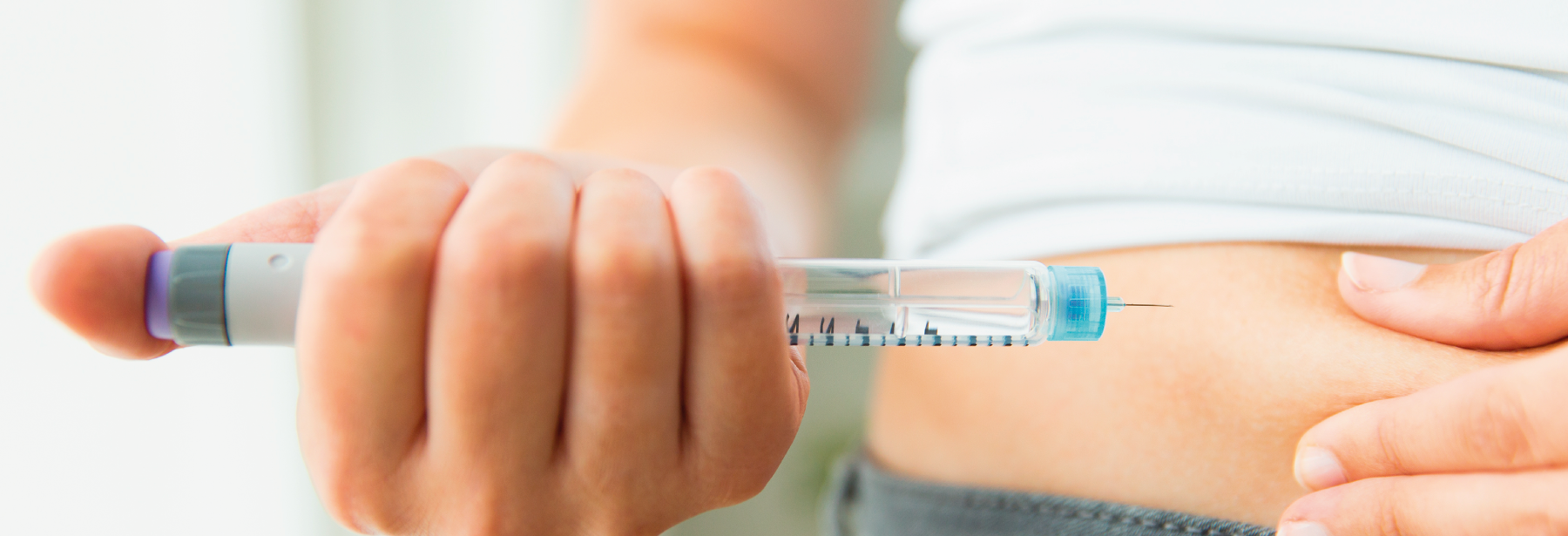

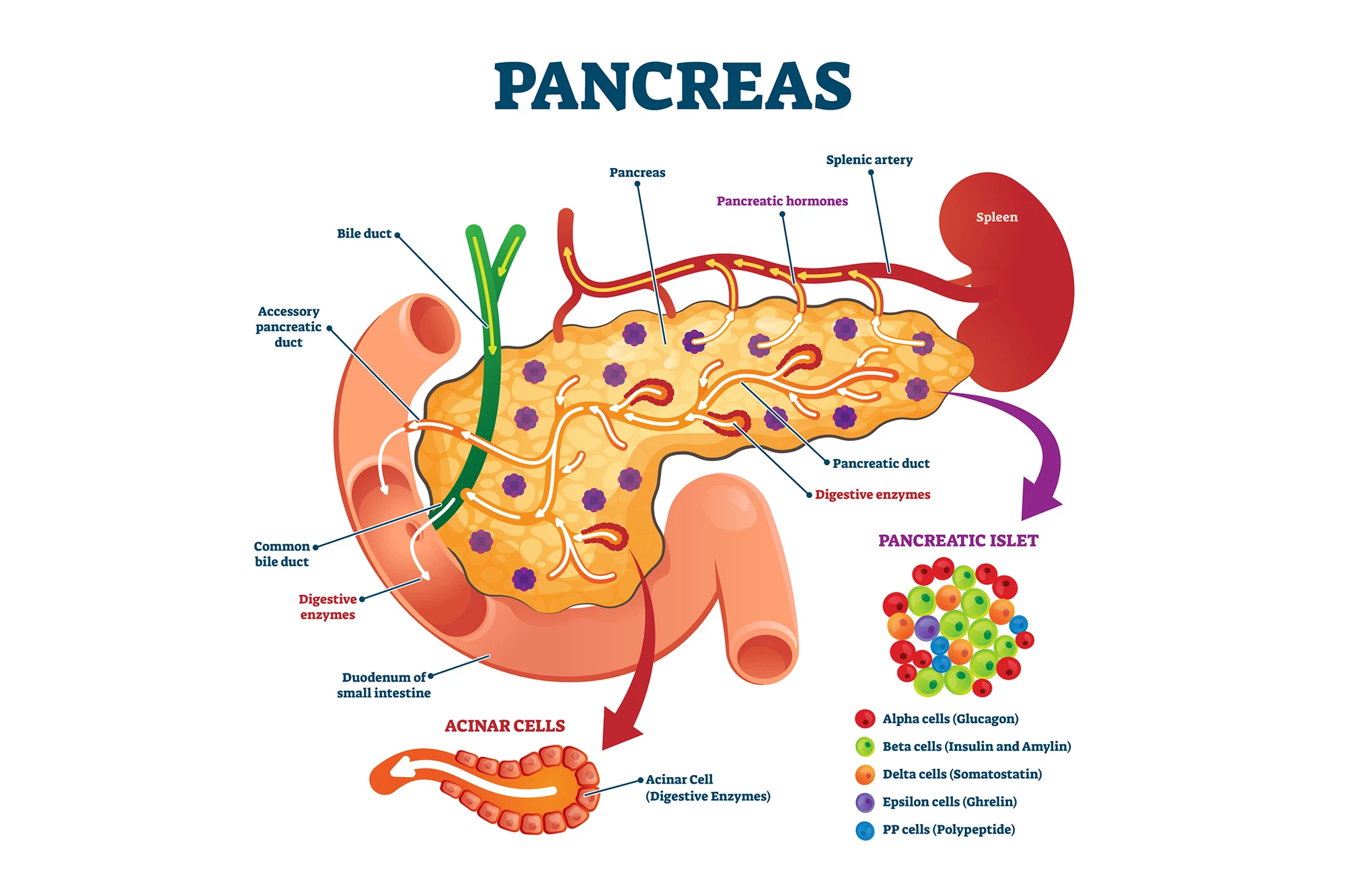
Type 1 diabetes is an autoimmune condition where the body attacks insulin-producing cells in the pancreas. Unlike Type 2 diabetes, it is not lifestyle-related.
People with Type 1 diabetes:
-
Require daily insulin
-
Monitor blood glucose regularly
-
Manage carb intake carefully
-
Must avoid hypoglycemia and hyperglycemia
According to the Centers for Disease Control and Prevention, Type 1 diabetes accounts for approximately 5–10% of all diabetes cases globally.
Because insulin is injected (not contagious) and blood sugar itself does not affect recipients, blood donation eligibility focuses primarily on donor safety, not recipient safety.
Can Type 1 Diabetics Give Blood? (Short Answer)
Yes — in most cases.
Most major health organizations, including:
-
American Red Cross
-
World Health Organization
-
NHS Blood and Transplant
allow individuals with Type 1 diabetes to donate blood if their condition is stable and well controlled.
Eligibility Checklist
You can usually donate if:
-
Your blood sugar is well managed
-
You take insulin but have no severe complications
-
You haven’t had recent hypoglycemic emergencies
-
You meet general donation criteria (age, weight, hemoglobin levels)
You may be temporarily deferred if:
-
You’ve recently been hospitalized
-
You’ve had diabetic ketoacidosis (DKA)
-
You’re experiencing uncontrolled blood sugar swings
Why Blood Donation Rules Exist for Diabetics
Blood donation removes about 450 mL (1 pint) of blood from the body. For someone with Type 1 diabetes, this can affect:
-
Blood pressure
-
Hydration levels
-
Glucose balance
The concern is donor safety, not the blood recipient.
Insulin is a protein that breaks down quickly — it does not transfer diabetes to the recipient.
Blood Donation Policies by Country
Here’s how major organizations approach the question “can type 1 diabetics give blood”:
| Organization | Allowed? | Conditions |
|---|---|---|
| American Red Cross | ✅ Yes | Must be well controlled |
| NHS (UK) | ✅ Yes | No complications |
| Canadian Blood Services | ✅ Yes | Stable insulin use |
| Australian Red Cross Lifeblood | ✅ Yes | No serious diabetes-related complications |
Always check your local blood bank for final confirmation.
Potential Risks of Donating Blood with Type 1 Diabetes
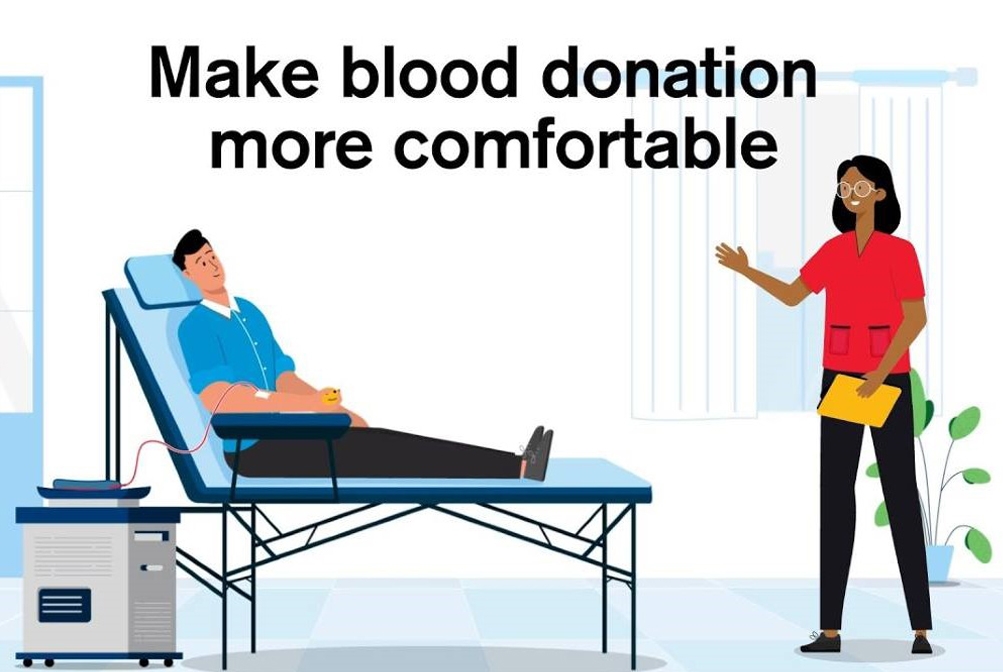
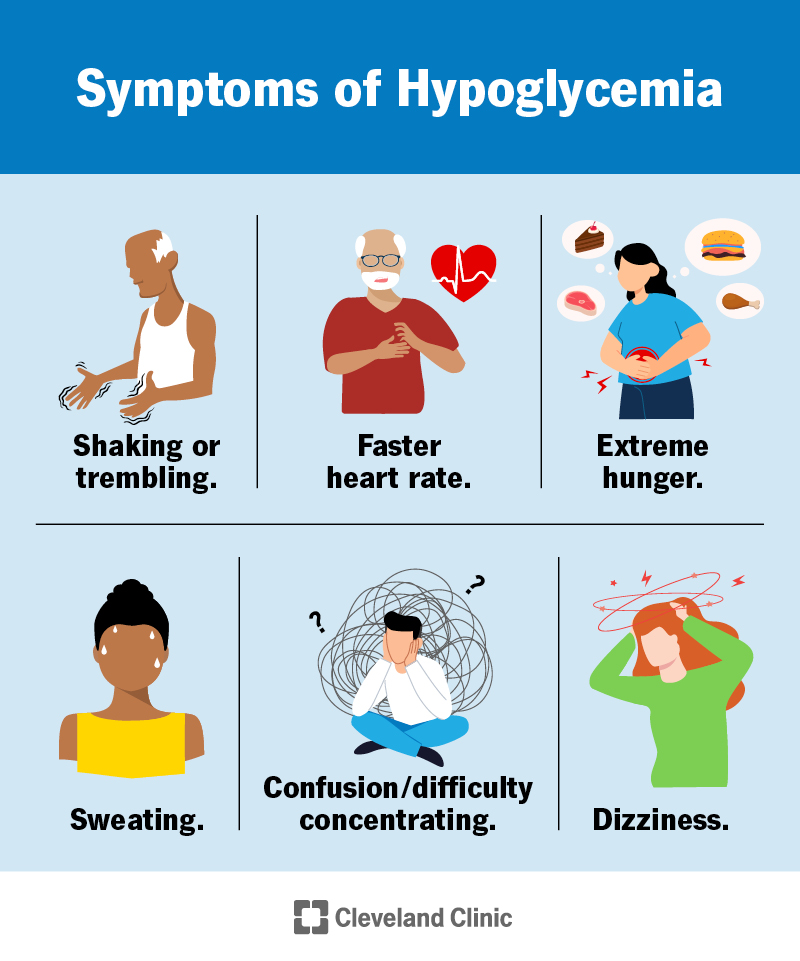

While generally safe, there are some considerations.
1. Hypoglycemia (Low Blood Sugar)
Blood donation can lower blood pressure and sometimes trigger dizziness — which can mimic or trigger hypoglycemia.
Prevention Tip: Eat a balanced meal before donating.
2. Dehydration
People with diabetes are more sensitive to fluid balance changes.
Drink:
-
Extra water before donation
-
Electrolytes afterward
3. Delayed Recovery
If blood sugar control is unstable, recovery might take longer.
How to Safely Donate Blood with Type 1 Diabetes
Here’s a practical, step-by-step plan.
Before Donation
-
Check fasting blood sugar
-
Eat a balanced meal (protein + complex carbs)
-
Stay hydrated
-
Inform staff about your condition
During Donation
-
Monitor how you feel
-
Speak up if dizzy
-
Avoid donating on an empty stomach
After Donation
-
Rest for 10–15 minutes
-
Recheck glucose levels
-
Carry a quick sugar source (juice or glucose tabs)
Real-World Example
Sarah, 28, has lived with Type 1 diabetes for 15 years.
She donates blood twice a year. Her strategy:
-
Eats oatmeal and eggs before donation
-
Brings glucose tablets
-
Checks sugar before and after
-
Avoids donating if her A1C is unstable
She reports no complications and feels confident donating.
When Type 1 Diabetics Should NOT Give Blood
You should avoid donating if you have:
-
Diabetic kidney disease
-
Severe neuropathy
-
Active foot ulcers
-
Recent DKA episode
-
Uncontrolled blood sugar
Blood centers may defer donors with serious diabetes-related complications.
Benefits of Blood Donation (Even for Diabetics)
1. Saves Lives
One donation can save up to three lives.
2. Free Health Screening
Blood pressure, hemoglobin, and pulse are checked.
3. Community Contribution
Living with Type 1 diabetes doesn’t disqualify you from helping others.
Does Blood Donation Affect Blood Sugar Long-Term?
No scientific evidence shows long-term glucose disruption.
However:
-
Temporary fluctuations may occur
-
Monitor for 24 hours after donation
If you wear a CGM, you may notice mild changes.
Expert Medical Perspective
From an endocrinology standpoint:
The primary concern isn’t insulin use.
It’s whether:
-
The donor is medically stable
-
No organ damage is present
-
No recent acute complications occurred
Doctors generally approve donation for well-controlled Type 1 diabetics.
Frequently Asked Questions (People Also Ask)
Can type 1 diabetics give blood if they use insulin?
Yes. Insulin use alone does not disqualify you. You must have stable blood sugar and no severe complications.
Does donating blood lower blood sugar?
It can temporarily affect glucose levels due to stress and fluid shifts, but it does not directly lower blood sugar.
Can donating blood cause hypoglycemia?
It may trigger symptoms similar to hypoglycemia if you donate without eating. Proper preparation reduces risk.
Is blood from diabetics safe for recipients?
Yes. Diabetes is not contagious and insulin does not transfer to the recipient.
How often can a type 1 diabetic donate blood?
Most centers allow donation every 8–12 weeks, same as non-diabetics, if medically eligible.
Featured Snippet Summary
Can type 1 diabetics give blood?
Yes. Most people with well-controlled Type 1 diabetes can donate blood safely if they have stable glucose levels and no serious complications. Always consult your local blood bank for specific guidelines.
Final Verdict: Should You Donate?
So, can type 1 diabetics give blood?
In most cases — yes.
If your diabetes is:
-
Well controlled
-
Free of severe complications
-
Monitored responsibly
Then donating blood is both safe and meaningful.
Actionable Takeaways
✔ Check your blood sugar before donating
✔ Eat a balanced meal
✔ Stay hydrated
✔ Inform staff about your diabetes
✔ Avoid donation if recently unstable
Living with Type 1 diabetes does not automatically prevent you from saving lives.
If you’re medically stable, your donation can make a life-changing difference.